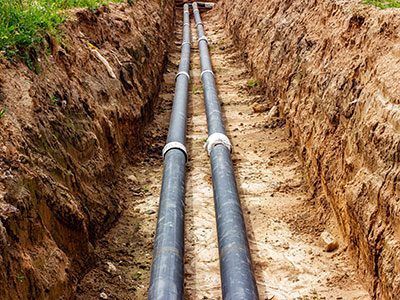
Water Line Freezing? Why Proper Depth and Installation Matter in Indiana

Mint Wattanarungsun • November 10, 2025

If you’ve ever experienced a frozen water line in the middle of winter, you know it’s not just inconvenient—it can be destructive. Frozen pipes often lead to burst lines, water damage, plumbing repairs, and costly downtime. In Indiana, where winter temperatures can drop below freezing for days at a time, proper water line depth and installation are critical to long-term utility system performance.


At Pinpoint Directional Drilling Inc., we install water lines using trenchless directional drilling to minimize disruption and ensure accurate placement below the frost line. In this blog, we’ll cover why water lines freeze, how deep they should be buried in Indiana, and what to expect from a professionally installed system.

Why Water Lines Freeze


Water lines freeze when the temperature of the pipe drops to 32°F (0°C) or below, causing the water inside to turn into ice. As water freezes, it expands, creating pressure that can rupture the pipe walls.


This typically occurs when:

  • Pipes are installed too shallow
  • Soil insulation is inadequate
  • Cold air penetrates through unsealed foundation gaps
  • Pipes are exposed to wind or sudden cold snaps

Once a line freezes, water pressure drops or stops entirely. If it bursts, it can flood basements, yards, or crawl spaces, causing structural damage and contamination.


Indiana Winters and the Frost Line


In colder climates like Indiana, the frost line—the maximum depth at which soil freezes during winter—can reach 30 to 48 inches deep, depending on location and conditions.

The Indiana Plumbing Code requires a minimum burial depth of 36 inches for water lines, though many professionals recommend going even deeper in certain areas to account for:

  • Poor soil insulation

  • Exposure to wind and surface cold

  • High water usage demands

  • Long-term freeze-thaw cycles

At Pinpoint Directional Drilling Inc., we always confirm local frost line standards and site-specific conditions to ensure water lines are placed deep enough to avoid freezing—even during extreme cold.


Common Problems Caused by Shallow Water Lines


If a water line is installed too close to the surface, it may function well in spring or summer—but winter can expose serious flaws.


Issues include:

  • Frozen water supply during cold spells
  • Burst pipes requiring emergency excavation
  • Intermittent water pressure or flow
  • Foundation cracks from water expansion
  • Mold and mildew from water damage
  • Repeated thawing attempts that damage the pipe

Preventing these problems starts with proper depth and high-quality installation—especially during initial construction or system replacement.


How Directional Drilling Helps


While traditional excavation can place water lines deep enough to prevent freezing, it comes with significant drawbacks:

  • Large trenches through yards and landscaping
  • Disrupted driveways or sidewalks
  • High restoration costs
  • Long project timelines

That’s why many property owners and municipalities now turn to horizontal directional drilling (HDD) to install or replace water lines with minimal surface disruption.


Our trenchless method allows us to:

  • Bore at precise depths below the frost line
  • Maintain the correct slope for water flow and drainage
  • Avoid damage to driveways, landscaping, and structures
  • Complete installations quickly—even in winter months

Because HDD only requires small access points, your property stays largely untouched—even as your water line is installed at the proper, frost-protected depth.


Key Factors That Influence Proper Water Line Installation


1. Soil Type and Conditions


Clay holds moisture and freezes faster than sandy soil. We evaluate each site to determine whether deeper installation is needed to avoid freeze zones.


2. Slope and Gravity Flow


We calculate proper slope and pressure needs to ensure consistent water flow, even in deep or complex installations.


3. Pipe Material


We use durable, freeze-resistant materials like HDPE or PEX, which offer flexibility and long-term resistance to cracking and freezing.


4. Insulation and Backfill


In some cases, we use insulated sleeves or insulating foam layers around pipes in shallow areas, paired with high-quality backfill material to reduce frost exposure.


5. Municipal Code Compliance


We follow all local and state plumbing codes, including depth, material, and connection standards, ensuring safety and code compliance from day one.


Who Needs Deep Water Line Installation?


While everyone in Indiana should ensure their water lines are below the frost line, these property types are especially vulnerable:

  • Older homes with shallow or outdated water lines
  • Rural properties where lines span long distances
  • Commercial buildings with heavy water use
  • New construction with limited insulation
  • Homes with basements or crawl spaces exposed to cold air

We work with contractors, homeowners, developers, and municipalities to install reliable water lines that meet usage demands and withstand Indiana winters.
FAQs: Water Line Depth and Freezing

How deep should a water line be buried in Indiana?

Typically, 36 inches or deeper, depending on frost line and soil conditions. In some areas, up to 48 inches is recommended for added protection.


Can a shallow water line be insulated instead of buried deeper?

 Yes, but it’s not always reliable. Insulation helps but doesn’t replace proper depth. We may combine both in special cases.


Is it possible to replace a frozen or burst line in winter?

 Yes. We offer winter trenchless replacements, even in frozen ground, using specialized drilling and thawing equipment.


How much does water line replacement cost?

 It depends on the length, depth, soil conditions, and location. We provide free quotes with transparent pricing.

Trust the Experts at Pinpoint Directional Drilling Inc.

For over 20 years, we’ve installed underground water systems across:

  • Fort Wayne
  • Indianapolis
  • South Bend
  • Surrounding Indiana towns and counties


We use precision trenchless equipment, deep industry knowledge, and a commitment to safety to ensure every water line installation is done right the first time.

Get a Free Line Installation Quote

Don’t wait until your pipes freeze. Let us help you protect your water system before winter strikes.


Call Pinpoint Directional Drilling Inc.  at (260) 344-3150

Or request a free quote online.


We’ll assess your site, explain your options, and install a water line that’s ready to perform—no matter how cold it gets.

A septic tank lid open in green grass. A pump and connected equipment are in the opening. A green lid and a drill are nearby.
December 16, 2025
Learn how grinder pumps support low-pressure sewer systems. Installation, maintenance, and benefits. Fort Wayne, Indianapolis, South Bend.
Person in a yellow hard hat and gloves working on a yellow construction machine.
By Mint Wattanarungsun December 2, 2025
Find the right underground utility contractor in Indiana. Key traits, questions to ask, and red flags to avoid. Serving Fort Wayne, Indianapolis, South Bend.
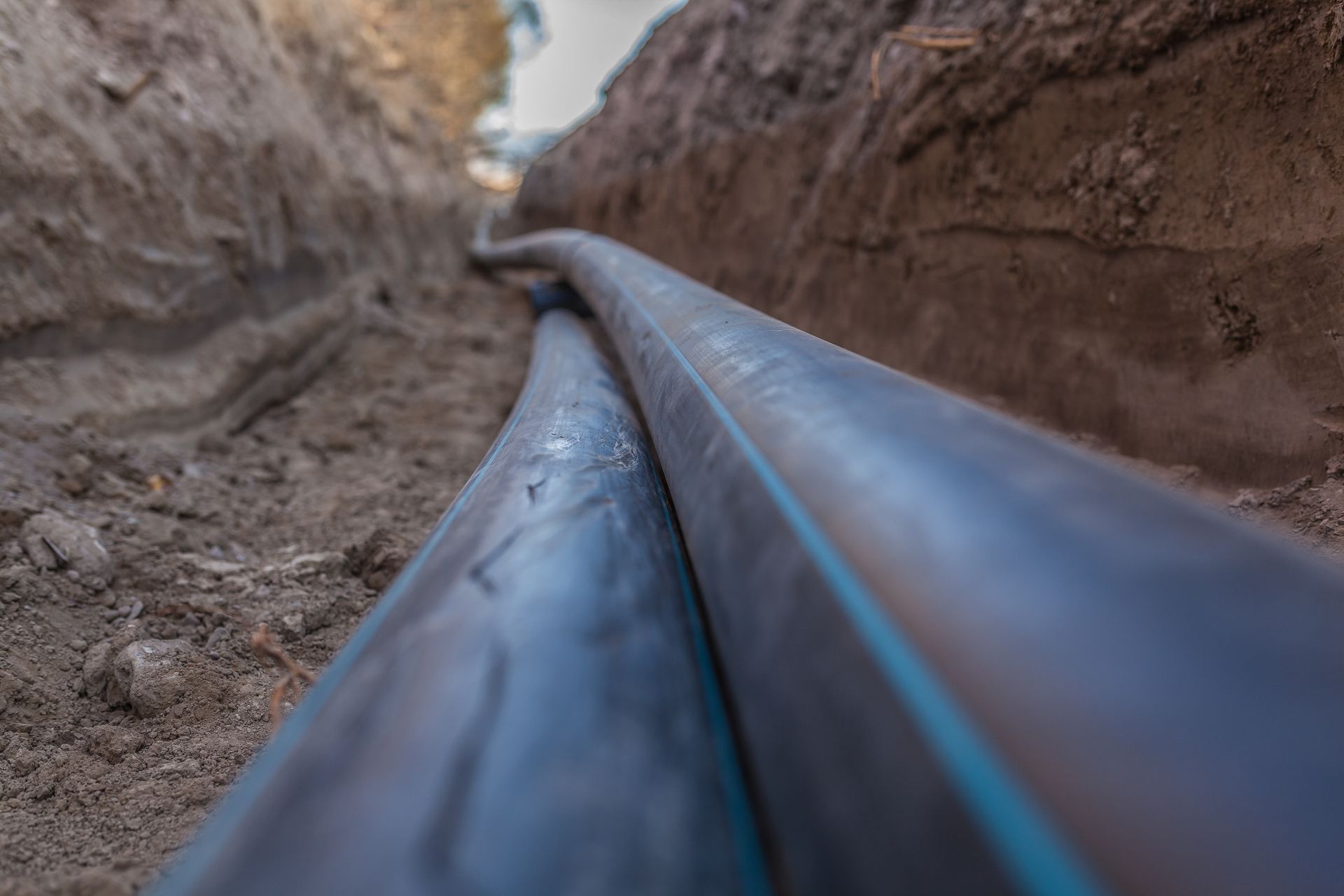
Two black pipes in a narrow trench, running parallel through dirt.
By Mint Wattanarungsun October 24, 2025
Discover when it’s time for sewer line replacement and how trenchless methods protect your property. Fort Wayne, Indianapolis, South Bend.
A rusty pipe drilling into the ground, likely for water or resource extraction.
By Mint Wattanarungsun October 9, 2025
Learn how directional drilling enables clean, fast, and reliable fiber optic conduit installation in Indiana. Serving Fort Wayne, Indianapolis, and S
A drilling rig with a black auger against a blue sky with clouds.
By Mint Wattanarungsun September 24, 2025
Learn how directional drilling avoids costly property damage to lawns, driveways, and landscaping during underground utility installation.
Orange and white well drilling truck at work next to a gray building, under a cloudy blue sky.
September 10, 2025
Explore the latest innovations in commercial drilling and infrastructure. Serving Fort Wayne, Indianapolis, and South Bend.
A broken lawn mower is sitting in the grass next to a green cover.
August 25, 2025
Discover why professional grinder system installation matters. Trusted service in Fort Wayne, Indianapolis, and South Bend.
A man is using a machine to dig a hole in the ground.
July 18, 2025
Learn how directional drilling works and why it's vital for modern infrastructure in Fort Wayne, Indianapolis, and South Bend.
Two pipes are being installed in a trench in the dirt.
June 30, 2025
Learn how to plan a smooth water or sewer line installation. Tips from Indiana utility pros serving Fort Wayne, Indianapolis, and South Bend.
A man is using a machine to dig a hole in the ground.
June 16, 2025
Learn the top mistakes to avoid in utility boring projects. Save time, money, and avoid setbacks with expert tips from Indiana’s drilling pros.