The Role of Grinder Pumps in Low-Pressure Sewer Systems

December 16, 2025

In areas where traditional gravity-fed sewer systems aren't feasible, low-pressure sewer systems (LPSS) have become a reliable and efficient alternative. These systems rely on specialized equipment—most notably, grinder pumps—to move wastewater through smaller-diameter pressurized pipes toward a main collection system or treatment facility.

At Pinpoint Directional Drilling Inc., we install and service grinder pump systems across Fort Wayne, Indianapolis, and South Bend, helping property owners and municipalities implement smart wastewater solutions that minimize disruption and maximize long-term performance.

In this blog, we’ll break down how grinder pumps work, why they’re essential for low-pressure sewer systems, and what property owners need to know about their installation, use, and maintenance.

What Is a Low-Pressure Sewer System?

A low-pressure sewer system is an alternative to a traditional gravity sewer system. Instead of relying on the natural slope of the land to move wastewater, it uses pressure created by individual or shared grinder pumps to force sewage through a network of smaller pipes.

These systems are especially useful in:

  • Areas with flat terrain or minimal slope

  • Rocky or hard-to-excavate soils

  • Properties located below the main sewer line elevation

  • Rural communities where gravity systems would be cost-prohibitive

  • Waterfront or marshland areas where open trenching is not viable

Low-pressure sewer systems offer a cost-effective and minimally invasive solution for expanding access to modern sanitation infrastructure in difficult terrain.

What Is a Grinder Pump?

A grinder pump is a specialized pump that grinds wastewater solids into a fine slurry and pumps it through pressurized sewer lines. It is typically installed in a tank or basin on a property, either outside or in a basement.

Key components include:

  • Grinder mechanism: Chops up solid waste (e.g., toilet paper, food debris)

  • Pump motor: Pushes wastewater into the pressurized system

  • Float switch or sensor: Activates the pump when wastewater reaches a certain level

  • Alarm system: Alerts the homeowner or operator in case of malfunction or backup

Grinder pumps are critical for ensuring smooth flow in low-pressure systems, preventing clogs, and maintaining hygienic conditions.

How Grinder Pumps Work in Low-Pressure Systems

Here’s how the system works step-by-step:

  1. Wastewater from the home or building flows into a holding tank.

  2. When the tank reaches a certain level, the grinder mechanism activates and pulverizes any solids.

  3. The pump motor then pushes the ground wastewater slurry into a small-diameter force main (pressurized sewer line).

  4. The slurry travels to a larger collection line or municipal treatment plant.

  5. Once the tank is empty, the pump shuts off until the next cycle.

This pressurized movement eliminates the need for large-diameter gravity pipes and deep trenches.

Benefits of Grinder Pump Systems

Grinder pump systems are growing in popularity for several reasons:

1. Ideal for Difficult Terrain


In flat, hilly, or rocky areas, gravity sewer systems are expensive and impractical. Grinder pumps allow properties to connect to a sewer system regardless of elevation or slope.

2. Smaller Pipe Sizes and Shallow Burial


Low-pressure systems use narrower, shallower pipes, which reduces:

  • Excavation time

  • Installation cost

  • Restoration and landscaping impact

Directional drilling is commonly used to install these force mains with minimal surface disturbance.

3. Reduced Odors and Backups


Because the system is pressurized and sealed, there is less risk of odor release, infiltration, or surface leakage. The continuous, controlled flow also helps reduce clogs.

4. Modular and Scalable


LPSS systems with grinder pumps are easy to expand. Additional homes or properties can be connected as communities grow, without major infrastructure changes.

Where Grinder Pumps Are Commonly Used

Grinder pump systems are ideal for:

  • Rural homes or cabins

  • Lakeside or waterfront properties

  • Subdivisions in undeveloped areas

  • Campgrounds and RV parks

  • Commercial developments with limited gravity sewer access

  • Municipal retrofits in older communities

At Pinpoint Directional Drilling Inc., we help design, install, and maintain grinder pump systems for all of the above, ensuring long-term reliability and compliance.

Key Considerations for Installation

When installing a grinder pump system, several factors must be addressed:

1. Sizing the System


Pump size and tank capacity depend on the property’s water usage and number of occupants. We’ll help calculate the appropriate setup based on your needs.

2. Electrical and Alarm Connections


Grinder pumps require a dedicated electrical connection and may include alarms, control panels, and backup systems for added reliability.

3. Depth and Site Placement


The pump tank must be installed below the lowest plumbing fixture in the home. We determine the best location for the tank and the discharge line based on elevation, distance, and access to the force main.

4. Integration with Trenchless Installation


We often use directional drilling to install the force main pipe, especially under driveways, roads, or landscaping. This minimizes disruption and speeds up the project timeline.

Maintenance and Lifespan

Grinder pumps are designed for long-term use but still require some basic care.

Maintenance Tips:

  • Avoid flushing non-biodegradable items (e.g., wipes, grease, feminine hygiene products)

  • Listen for unusual noises or pump cycling too frequently

  • Test the alarm system periodically

  • Have the system inspected if you experience backups or odor

With proper use and professional installation, most grinder pumps last 10 to 15 years or longer.

Partnering with the Right Installer

Grinder systems are highly effective—but only when installed by experienced professionals.

Poorly installed systems can cause:

  • Frequent clogs or motor burnout

  • Improper elevation or slope issues

  • Failed connections to the main sewer system

  • Alarm failures and unsafe overflows

At Pinpoint Directional Drilling Inc., we provide:

  • Custom grinder system design and sizing

  • Code-compliant installations

  • Trenchless pipe installation for minimal surface impact

  • Testing and training after install

  • Responsive support and maintenance services

We proudly install grinder systems for homeowners, commercial developers, and municipalities throughout Indiana.

Get a Free Quote for Grinder Pump Installation

Considering a grinder pump system for your home or property? We’ll evaluate your site and recommend a system that fits your needs, your budget, and your long-term goals.

Call Pinpoint Directional Drilling Inc. at (260) 344-3150
Or request a free quote online

Let’s talk about efficient, clean, and cost-effective sewer solutions that work—no matter your location or terrain.

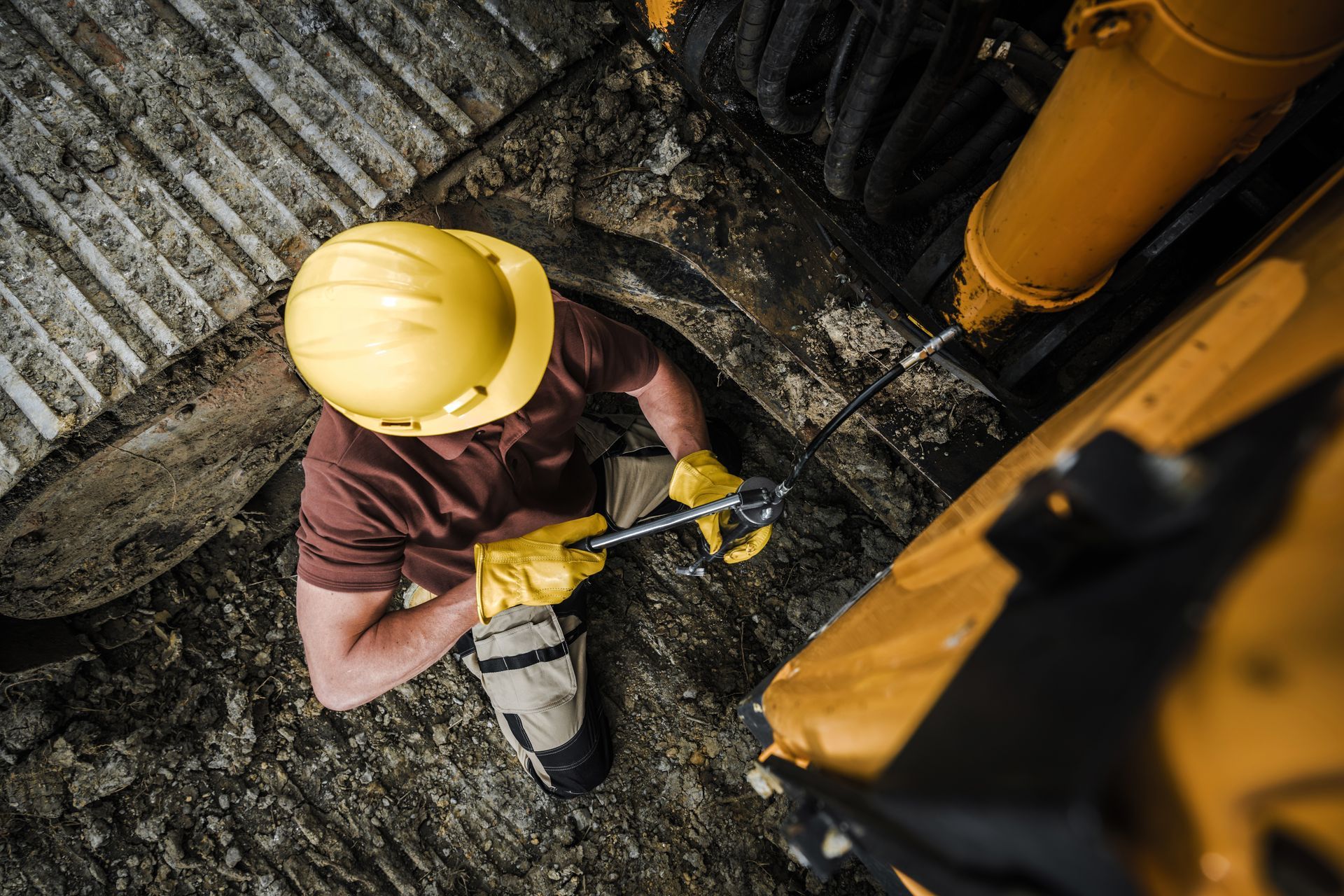
Person in a yellow hard hat and gloves working on a yellow construction machine.
By Mint Wattanarungsun December 2, 2025
Find the right underground utility contractor in Indiana. Key traits, questions to ask, and red flags to avoid. Serving Fort Wayne, Indianapolis, South Bend.
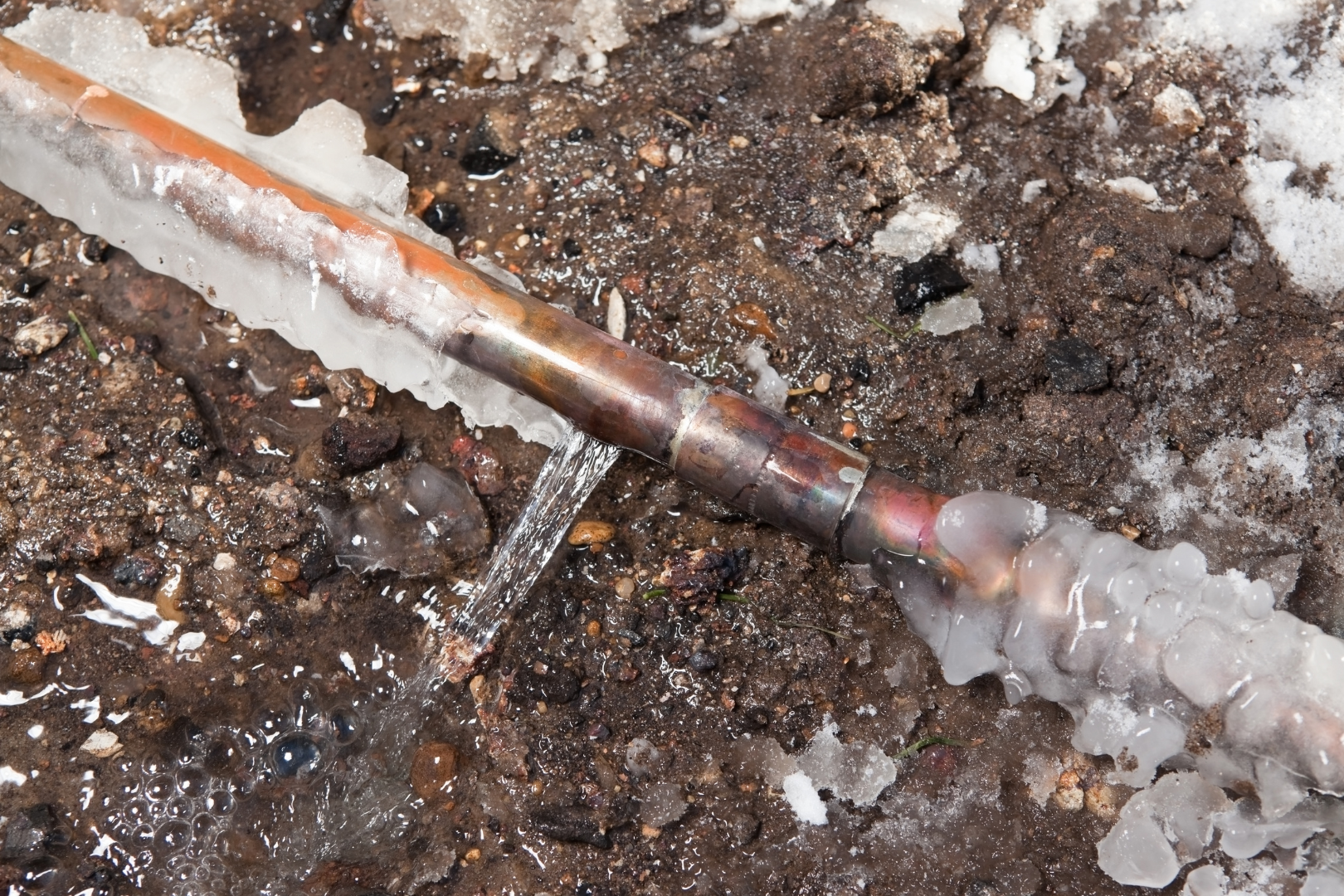
Frozen pipe with water spraying onto dirt and snow.
By Mint Wattanarungsun November 10, 2025
Avoid frozen or burst pipes with correct water line installation depth. Expert guidance for Fort Wayne, Indianapolis, and South Bend homeowners.
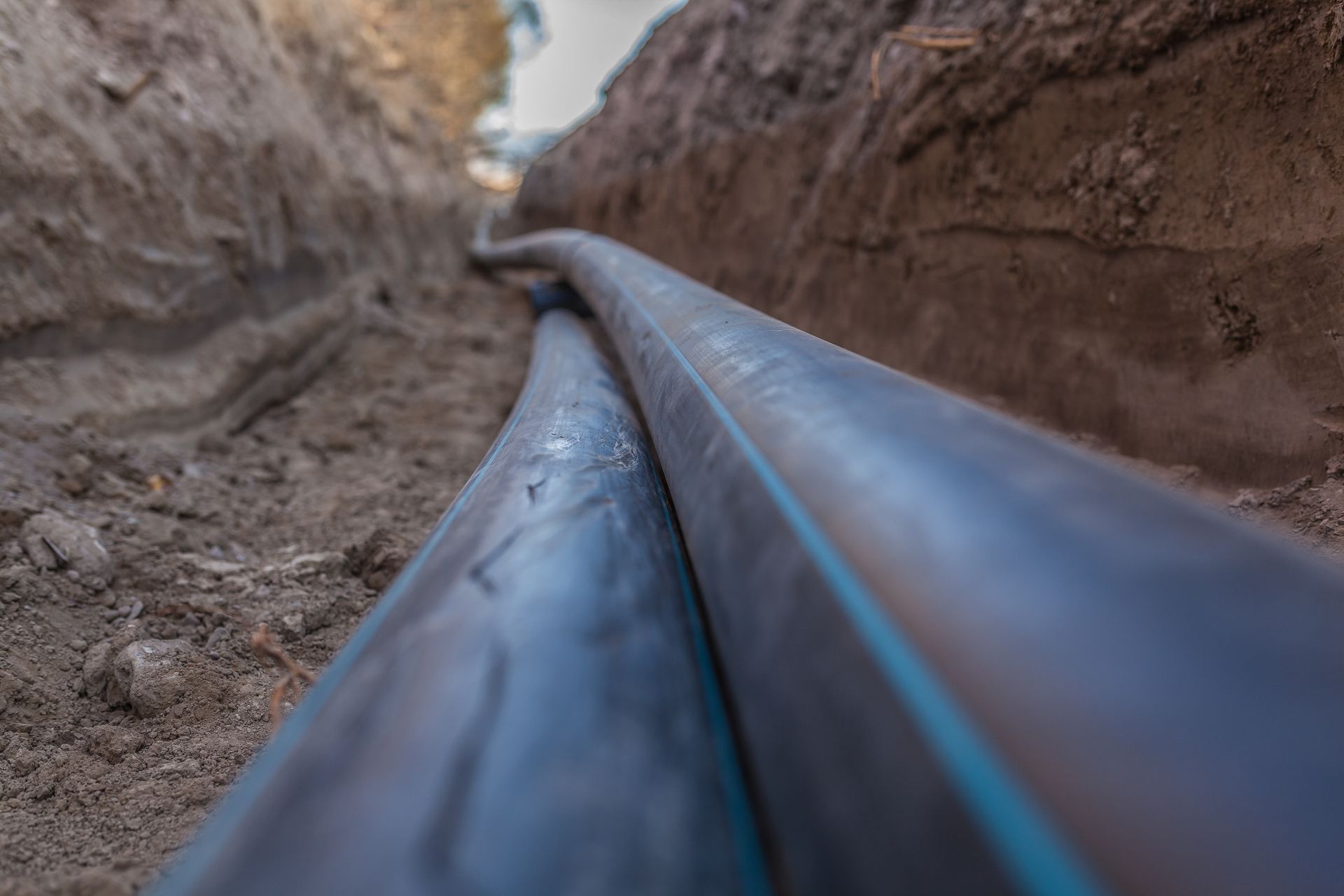
Two black pipes in a narrow trench, running parallel through dirt.
By Mint Wattanarungsun October 24, 2025
Discover when it’s time for sewer line replacement and how trenchless methods protect your property. Fort Wayne, Indianapolis, South Bend.
A rusty pipe drilling into the ground, likely for water or resource extraction.
By Mint Wattanarungsun October 9, 2025
Learn how directional drilling enables clean, fast, and reliable fiber optic conduit installation in Indiana. Serving Fort Wayne, Indianapolis, and S
A drilling rig with a black auger against a blue sky with clouds.
By Mint Wattanarungsun September 24, 2025
Learn how directional drilling avoids costly property damage to lawns, driveways, and landscaping during underground utility installation.
Orange and white well drilling truck at work next to a gray building, under a cloudy blue sky.
September 10, 2025
Explore the latest innovations in commercial drilling and infrastructure. Serving Fort Wayne, Indianapolis, and South Bend.
A broken lawn mower is sitting in the grass next to a green cover.
August 25, 2025
Discover why professional grinder system installation matters. Trusted service in Fort Wayne, Indianapolis, and South Bend.
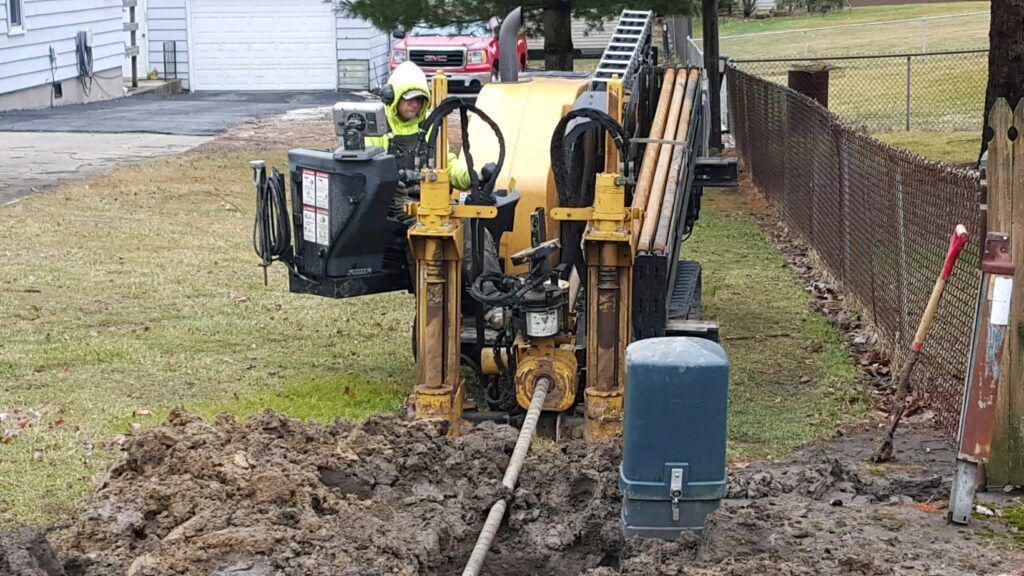
A man is using a machine to dig a hole in the ground.
July 18, 2025
Learn how directional drilling works and why it's vital for modern infrastructure in Fort Wayne, Indianapolis, and South Bend.
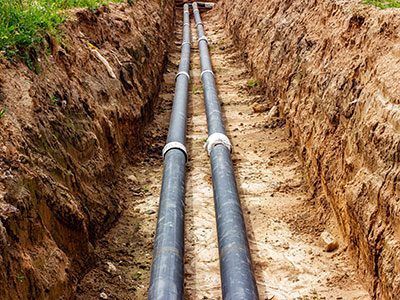
Two pipes are being installed in a trench in the dirt.
June 30, 2025
Learn how to plan a smooth water or sewer line installation. Tips from Indiana utility pros serving Fort Wayne, Indianapolis, and South Bend.
A man is using a machine to dig a hole in the ground.
June 16, 2025
Learn the top mistakes to avoid in utility boring projects. Save time, money, and avoid setbacks with expert tips from Indiana’s drilling pros.